
SHIELDskin™ ORANGE NITRILE™ 300

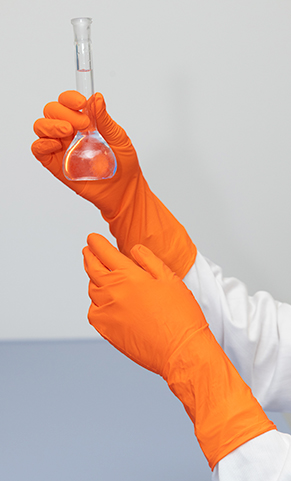
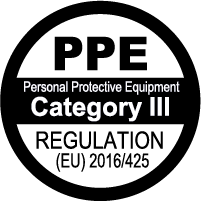
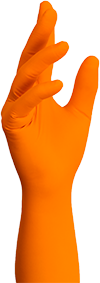
Protective glove, laboratory glove - Category III PPE glove - Ambidextrous powder-free orange/white nitrile/neoprene glove - AQL 0.25 - extra length.
300 mm extra-long double-layered orange nitrile/neoprene gloves for a maximum security against laboratory biological risks under Laminar Flow Hood and biosafety cabinets.

Glove details
| Material | Nitrile & Neoprene |
| Technology | twinSHIELD™ |
| Sterility | Non-sterile |
| Length | 300 mm/ 11.8" |
| Palm thickness | 0.14 mm/ 5.5 mil |
| Colour | Orange (outer)/ White (inner) |
| Design |
Ambidextrous Textured fingertips Powder-free |


Compliance



Packaging
Sizes and references
| 67 6251 | 6/XS |
| 67 6252 | 7/S |
| 67 6253 | 8/M |
| 67 6254 | 9/L |
| 67 6255 | 10/XL |
| 67 6256 | 11/XXL |
Packaging : 50 gloves per dispenser - 10 dispensers per carton = 500 gloves.
Size of the carton : 300 mm (Length) x 280 mm (Width) x 325 mm (Height). 60 cartons per pallet.


Downloads


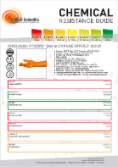
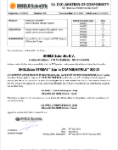
Gloves selection
With the SHIELD Scientific product brand code, select the right gloves is now an easy exercise.
Under laminar flow hoods and biosafety cabinets, long gloves provide extended wrist and forearm coverage. This reduces contamination risks during handling and helps maintain a consistent protective barrier, supported by a low defect level such as AQL 0.25, especially during repeated movements or extended tasks.
The longer length is useful when reaching into cabinets, working above bench height or using sleeve covers. In these situations, it reduces wrist exposure during repeated motion more effectively than shorter gloves used for quick or low‑movement laboratory tasks.
In BSL‑3 lab workflows, disposable glove use follows strict handling and movement practices to reduce cross‑contamination. Operators limit unnecessary contact, change gloves more frequently, and manage transitions carefully between zones, while long gloves help maintain continuous coverage during extended or high‑risk handling tasks.
Nitrile glove replacement is often driven by workflow rather than rupture. Moving between wet handling, paperwork, touchscreens and samples can make gloves unsuitable before visible damage appears, so task transitions usually determine when to change them to maintain protection and avoid cross‑contamination.
In pathology and busy sample‑handling areas, orange nitrile gloves improve visual contrast against labels, clear tubes and stainless surfaces. This supports faster identification and reduces handling errors. The colour can also be used to support risk‑based glove selection during laboratory workflows.
ANY QUESTIONS?
FAQ
Looking for answers about cleanroom gloves or laboratory gloves? This FAQ section covers key topics such as disposable glove usage, contamination control, hand protection and glove selection. Explore practical guidance or contact SHIELD Scientific to identify the most suitable solution for your cleanroom or laboratory application.
Contact us
Share this page