
SHIELDskin CHEM™ NEO NITRILE™ 300

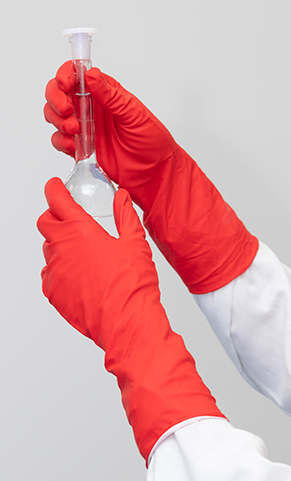
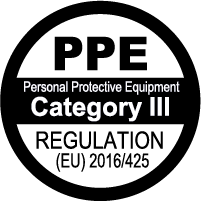
Protective glove, laboratory glove, chemical glove - Category III PPE glove - Ambidextrous powder-free red/white neoprene/nitrile glove - AQL 0.25 - extra length.
Thick 300 mm extra-long double-layered neoprene/nitrile gloves designed for better protection against high chemical risks in Laboratory without compromise with comfort and dexterity.

Glove details
| Material | Nitrile & Neoprene |
| Technology | twinSHIELD™ |
| Sterility | Non-sterile |
| Length | 300 mm/ 11.8" |
| Palm thickness | 0.31 mm/ 12.2 mil |
| Colour | Red (outer)/ White (inner) |
| Design |
Ambidextrous Textured fingertips Powder-free |


Compliance




Packaging
Sizes and references
| 66 9251 | 6/XS |
| 66 9252 | 7/S |
| 66 9253 | 8/M |
| 66 9254 | 9/L |
| 66 9255 | 10/XL |
| 66 9256 | 11/XXL |
Packaging : 40 gloves per dispenser - 10 dispensers per carton = 400 gloves.
Size of the carton : 300 mm (Length) x 280 mm (Width) x 325 mm (Height). 60 cartons per pallet.


Downloads


With the SHIELD Scientific product brand code, select the right gloves is now an easy exercise.
Choosing the wrong glove can lead to rapid material degradation or chemical permeation. SHIELDskin CHEM™ NEO NITRILE™ 300 gloves are designed for high-risk environments, helping ensure safe chemical handling with adapted material, thickness and extended coverage in demanding laboratory conditions.
Type A chemical gloves are resistant to at least six hazardous chemicals according to EN ISO 374‑1 standards. This level ensures reliable protection when handling aggressive substances, making it the gold standard for chemical‑resistant gloves in laboratory applications.
Disposable glove thickness influences the balance between protection and dexterity during laboratory work. Thicker gloves generally improve chemical barrier resistance, while thinner gloves allow better tactile sensitivity, making them more suitable for precise handling and delicate technical operations.
Gloves combining nitrile and neoprene offer a balance of comfort and protection. Nitrile improves durability and resistance, while neoprene enhances flexibility and chemical protection, making them suitable for laboratory tasks and diverse industrial workplace applications.
Chemical protection gloves should be changed based on exposure time, chemical type and task duration. In high-risk laboratory applications, frequent replacement of disposable gloves is required to maintain protection, even when no visible damage is present after prolonged or repeated use.
ANY QUESTIONS?
FAQ
Looking for answers about cleanroom gloves or laboratory gloves? This FAQ section covers key topics such as disposable glove usage, contamination control, hand protection and glove selection. Explore practical guidance or contact SHIELD Scientific to identify the most suitable solution for your cleanroom or laboratory application.
Contact us
Share this page